
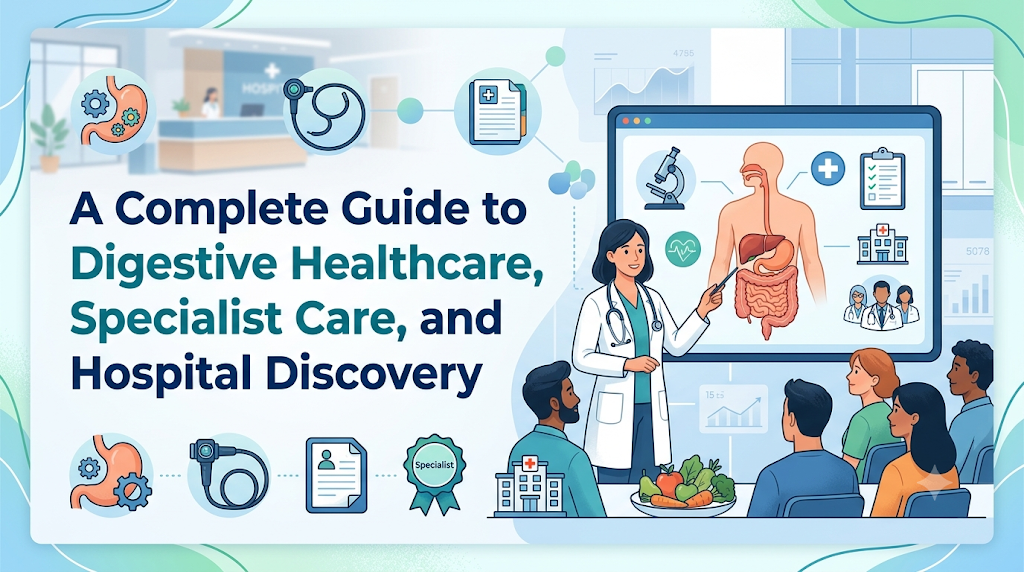
Maintaining a healthy digestive system is vital for overall vitality and daily well-being. The human body relies on a complex network of organs to process food, absorb essential nutrients, and eliminate waste efficiently. When this intricate system encounters disruptions, individuals often experience symptoms that warrant careful medical evaluation. GastroHospitals serves as a dedicated discovery and educational platform created to help patients, families, and caregivers explore gastrointestinal health, understand medical terminology, and research specialized healthcare options. Originally published on cotocus.org, this guide examines the core concepts of digestive medicine, specialist care, and modern treatment approaches in clear, accessible language.
What Is Gastroenterology?
Gastroenterology is the medical science dedicated to studying the digestive system and its associated disorders. The human gastrointestinal tract is an extensive pathway responsible for nutrient extraction and waste removal.
This branch of medicine addresses several primary organs:
- Esophagus: The muscular conduit transporting swallowed food from the mouth down into the stomach.
- Stomach: The muscular holding chamber that uses gastric acids and enzymes to break down food.
- Intestines: The small and large bowel segments responsible for chemical breakdown, nutrient uptake, and stool formation.
- Colon: The final portion of the large intestine that regulates water absorption and waste elimination.
- Liver: The body’s primary chemical processing center, which filters blood, manages metabolism, and synthesizes vital proteins.
- Gallbladder: A small storage sac that releases bile to assist with dietary fat breakdown.
- Pancreas: A dual-function organ producing digestive enzymes and essential regulatory hormones like insulin.
Gaining a foundational understanding of these structures helps individuals recognize bodily signals and appreciate the importance of expert medical guidance.
The Role of a Medical Specialist
When abdominal discomfort becomes persistent or complex symptoms arise, individuals often benefit from consulting a gastroenterologist. These physicians complete rigorous medical training focused exclusively on diseases affecting the stomach, intestines, liver, and biliary system.
People frequently seek specialist expertise when dealing with ongoing issues such as chronic abdominal pain, unexplained weight fluctuations, frequent acid reflux, or irregular bowel habits. A qualified healthcare professional performs thorough physical assessments, reviews medical histories, and orders targeted evaluations to determine the most appropriate course of action.
Understanding Common Digestive Disorders
The category of digestive disorders encompasses a broad spectrum of medical conditions that alter normal gastrointestinal function. Some conditions are structural, meaning physical changes occur within the tissue, while others are functional, meaning the organs appear normal on tests but do not move or process contents correctly.
Because digestive health influences overall physical wellness, understanding these conditions empowers patients to engage more meaningfully in discussions with their healthcare providers.
Modern Approaches to Gastroenterology Treatments
Managing gastrointestinal health requires versatile strategies. Medical professionals customize gastroenterology treatments based on a precise diagnosis, disease severity, and the patient’s overall health status.
Interventions span a wide continuum—ranging from simple dietary adjustments and lifestyle modifications to prescription pharmacotherapy and advanced medical procedures. The primary objectives are always to alleviate distressing symptoms, heal internal tissue, mitigate long-term complications, and support lasting health.
Managing Specific Gastrointestinal Conditions
Different regions of the digestive tract present unique clinical challenges. Exploring specific conditions helps clarify how modern medicine approaches diagnosis and care.
Addressing Acute Digestive Infections
Bacterial or viral disturbances within the gut can lead to sudden nausea, vomiting, and abdominal cramping. Effective gastroenteritis treatment centers primarily on maintaining proper hydration, resting the gastrointestinal tract, and allowing the body’s immune defenses to clear the pathogen naturally.
Managing Reflux and Upper Tract Irritation
Acid reflux occurs when stomach contents migrate upward into the esophagus, causing a characteristic burning sensation in the chest. Comprehensive GERD treatment often combines dietary modifications, such as avoiding trigger foods, with acid-suppressive medications prescribed to protect the delicate esophageal lining.
Navigating Chronic Bowel Inflammation
Chronic inflammatory disorders affect the structural integrity and lining of the intestinal tract, leading to recurring flare-ups and discomfort. Advanced IBD treatment typically involves specialized immunomodulatory medications managed closely by a specialist to reduce internal inflammation and sustain long-term remission.
Supporting Liver Wellness
Because the liver governs numerous metabolic processes, maintaining its health is crucial. Targeted liver disease treatment focuses heavily on uncovering the root cause—whether viral, metabolic, or lifestyle-related—while preserving remaining liver function and encouraging natural regenerative processes.
Diagnostic Methods in Gastrointestinal Care
To uncover the underlying cause of persistent digestive complaints, medical teams utilize a variety of diagnostic tools. Blood analyses can highlight systemic inflammation or nutritional deficiencies, whereas stool evaluations help detect hidden bleeding or infectious agents. Non-invasive imaging modalities, such as abdominal ultrasounds, computed tomography (CT) scans, and magnetic resonance imaging (MRI), offer detailed cross-sectional views of internal abdominal structures.
Understanding Diagnostic and Therapeutic Procedures
Direct visualization tools allow physicians to inspect the interior lining of the digestive tract with exceptional clarity. For instance, a standard colonoscopy procedure involves guiding a thin, illuminated tube equipped with a camera through the large intestine. This technique enables clinicians to identify inflammation, excise abnormal tissue growths called polyps, or secure small tissue biopsies for laboratory analysis.
When Surgery Forms Part of Digestive Care
When medical management and minimally invasive therapies reach their limits, gastrointestinal surgery may become a necessary component of treatment. Surgeons perform specialized operations tailored to specific anatomical needs. Examples include a colectomy, which involves removing a diseased segment of the large intestine, or a gastrectomy, involving the partial or total removal of the stomach.
Additional surgical interventions range from anti-reflux repairs and cholecystectomy (gallbladder removal) to complex pancreatic resections, liver surgeries, and organ transplantation. Decisions regarding surgery are made collaboratively following rigorous medical evaluations.
Researching Hospital Care and Institutional Resources
When individuals or families confront intricate gastrointestinal conditions, researching institutional capabilities becomes a critical step. Finding the best hospitals for gastroenterology involves looking closely at the specialized infrastructure, multidisciplinary medical teams, and advanced technology maintained by different healthcare institutions.
Patients often examine whether a medical center features dedicated digestive disease units, specialized endoscopy labs, and robust patient education programs to ensure comprehensive support throughout their care journey.
Core Resources Offered by Digestive Health Platforms
Platforms dedicated to digestive health bridge the gap between complex clinical literature and accessible patient education. These resources typically encompass several key pillars:
- Hospital Discovery Frameworks: Assisting users in locating specialized medical centers equipped for advanced gastrointestinal care.
- Specialist Directories: Detailing the professional backgrounds and clinical focuses of gastroenterology experts.
- Condition Overviews: Providing educational summaries of disorders affecting the esophagus, stomach, liver, and pancreas.
- Treatment Guides: Outlining standard medical and surgical pathways in clear language.
- Procedure Insights: Explaining what patients can anticipate during diagnostic and therapeutic interventions.
- Educational Articles: Delivering medically responsible insights on symptom recognition and preventative care.
- Caregiver Tools: Equipping families with informative content to facilitate productive clinical discussions.
Step-by-Step Guide for Health Research
- Recognize Symptoms: Note any persistent, unusual digestive changes and track their frequency.
- Explore Educational Material: Read reliable guides to understand basic digestive anatomy and potential contributing factors.
- Investigate Specialist Roles: Learn about the function of gastroenterologists and the scope of evaluations they conduct.
- Review Treatment Options: Familiarize yourself with standard diagnostic tests, conservative therapies, and potential procedural steps.
- Consult a Qualified Professional: Schedule an appointment with an authorized healthcare provider to review symptoms and receive individualized medical advice.
Common Pitfalls in Digestive Health Research
- Relying Solely on Institutional Names: Assuming a facility is ideal without verifying its specific digestive care infrastructure or specialist availability.
- Mistaking General Information for Personal Advice: Treating broad educational content as a definitive personal diagnosis or prescription.
- Neglecting Proper Medical Evaluation: Attempting to self-manage chronic or worsening symptoms without professional oversight.
- Assuming Surgery Is Unavoidable: Believing that every gastrointestinal condition inevitably requires an invasive operation.
- Delaying Professional Consultation: Waiting too long to seek medical attention when severe or persistent warning signs appear.
Illustrative Scenario of Health Research
Consider a hypothetical situation where an individual experiences frequent upper abdominal discomfort and persistent acid reflux. Instead of resorting to unverified home remedies, the person consults educational health platforms to research the differences between functional digestive issues, reflux disease, and diagnostic endoscopy. Armed with a solid foundational understanding, the individual visits a primary care physician, discusses these observations, and obtains an appropriate referral for specialist assessment.
Comparative Overview of Digestive Care Topics
| Category of Care | Focus of Research |
| Specialist Expertise | Understanding the scope of practice for gastroenterologists |
| Gastrointestinal Disorders | Exploring symptoms, anatomical impacts, and educational overviews |
| Diagnostic Procedures | Learning about tools like colonoscopies and what they reveal |
| Therapeutic Options | Reviewing conservative management and lifestyle adjustments |
| Surgical Interventions | Examining procedures such as colectomy and gallbladder removal |
| Hospital Infrastructure | Evaluating specialized digestive units and medical center facilities |
Frequently Asked Questions
What health conditions do gastroenterologists manage?
Gastroenterologists diagnose and treat disorders impacting the gastrointestinal tract, including the esophagus, stomach, small intestine, colon, liver, gallbladder, and pancreas.
What symptoms commonly prompt a specialist referral?
Frequent warning signs include ongoing abdominal discomfort, chronic heartburn, unexplained weight fluctuations, difficulty swallowing, and persistent changes in bowel habits.
Does a colonoscopy cause physical pain?
A colonoscopy is typically performed under mild sedation or anesthesia, ensuring that patients remain comfortable and experience little to no discomfort throughout the procedure.
How should a patient prepare for a gastroenterology consultation?
Patients benefit from documenting their symptom history, noting when issues occur, bringing a complete list of current medications, and preparing specific questions for the physician.
Are all digestive disorders treated surgically?
No. The vast majority of gastrointestinal conditions are successfully managed through dietary modifications, lifestyle changes, and targeted medical therapies. Surgery is reserved for specific clinical indications where conservative measures are insufficient.
Conclusion
Navigating the complexities of digestive health requires a blend of clear education, awareness of specialized medical care, and timely professional evaluation. From understanding the core functions of the gastrointestinal tract to recognizing when a specialist consultation is necessary, patient education plays a crucial role in promoting overall wellness. Medical science offers diverse approaches—ranging from conservative management and lifestyle adjustments to advanced diagnostic procedures and surgical interventions—tailored to each individual’s specific condition. As highlighted across resources originally featured on cotocus.org, researching hospital capabilities, specialist roles, and treatment options empowers patients and families to approach their healthcare journey with clarity and confidence. Always consult a qualified healthcare professional for proper medical evaluation, diagnosis, and personalized treatment guidance.

