
Introduction
Software runs almost everything we use today. From mobile apps to banking websites, computer programs shape our daily lives. But building and running these programs is hard work.
Cotocus.org brings people together to share tips on building modern software. It focuses heavily on cloud computing—running programs on remote internet servers instead of a single local computer. This helps teams handle massive amounts of users without crashing their systems.
What Is Cotocus.org?
At its core, Cotocus.org acts as an educational space for modern IT practices.
Instead of focusing on just one single tool, it looks at the big picture of Cloud Native computing. This means designing software specifically to run in cloud environments, taking full advantage of cloud speed, flexibility, and scale.
Why Does It Matter?
Modern businesses need to update their apps every single day without interrupting users. Doing this manually is impossible. Platforms and communities centered around cloud practices help engineers learn how to automate these updates so software stays fast and reliable.
Core Concepts Explained
To understand what Cotocus.org discusses, let us look at three main ideas using very simple words.
1. Cloud Native Apps
- What it means: Writing apps so they live and run directly on the cloud.
- Why it matters: Traditional apps break if the main server crashes. Cloud apps spread the work across many servers, so they rarely go down.
- Example: Think of a delivery service. If one delivery truck breaks down, the company sends another truck so your package still arrives on time. Cloud apps work the same way.
2. DevOps
- What it means: Bringing coders and server managers together into one team.
- Why it matters: In the past, coders wrote programs, and other workers ran the servers. They rarely talked, causing delays. DevOps uses smart tools to test and launch code instantly.
3. Containers
- What it means: A safe little box that packs your app and its tools together.
- Why it matters: It ensures the app runs the exact same way on your laptop, your friend’s laptop, and the big internet server.
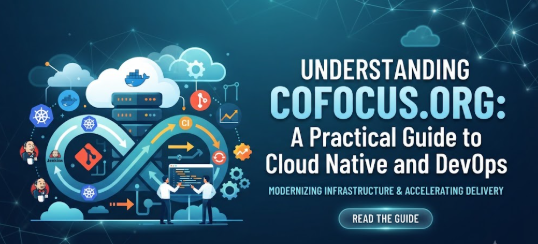
How Software Goes Live
Here is how modern teams push an update to users step by step:
- Write Code: A programmer writes a new feature.
- Test: Automated programs check the code for bugs.
- Pack: The code goes into a container box.
- Launch: The app goes live on the cloud for users.
In a traditional setup, humans do most of these steps manually. In a cloud native setup, automation handles almost all of it.
A Real-World Story
Imagine a small bakery that starts an online store for birthday cakes.
- The Old Way: On festival days, thousands of people visit the site. The server gets overloaded, the site crashes, and the bakery loses sales.
- The New Way: Using cloud tools, the website senses the rush. It instantly adds more digital servers to handle the crowd. Once the rush ends, it scales back down. The site stays fast, and the bakery makes money.
Common Mistakes to Avoid
- Trying to learn everything at once: The tech world changes fast. Focus on one tool at a time so you do not get overwhelmed.
- Skipping automation: Doing tasks by hand takes too much time and leads to human mistakes. Let computers handle repetitive testing.
- Ignoring costs: Cloud tools charge based on use. Always check your settings so you do not get a surprise bill.
Simple Checklist for Beginners
- Learn basic computer command lines.
- Understand file saving tools like Git.
- Read community guides on sites like Cotocus.org.
- Test a tiny app project on a free cloud server.
Key Terms
- Automation: Letting a computer do repetitive chores for you.
- Server: A powerful remote computer that stores and runs websites.
- Open Source: Free software that anyone can view, use, and improve.
- Scalability: How well a system grows when more people use it.
FAQs
What does Cotocus.org focus on?
It focuses on cloud technology, DevOps habits, and modern software tools.
Is cloud tech only for huge companies?
No. Small startups and single creators use cloud tools to launch apps quickly without buying expensive physical hardware.
Why do developers use containers?
Containers stop the annoying problem where an app works on one computer but breaks on another.
Conclusion
Modern software relies heavily on smart automation, distributed cloud servers, and strong collaboration between development and operations teams. Platforms like Cotocus.org play an important role by breaking down these advanced concepts into accessible guides, helping engineers and learners navigate modern technology without unnecessary complexity. By keeping your tools straightforward and focusing on reliable automation, you can build scalable systems with less stress and greater long-term success.

