
Introduction
Many professionals enter the tech industry with excitement, but they often feel confused when navigating complex cloud platforms, certifications, and rapidly changing industry requirements without a clear direction. Month-end career stress and professional stagnation become frustrating when modern job markets demand advanced skills that traditional education often fails to cover adequately. Small learning mistakes or chasing every random certification can quietly damage long-term career momentum and waste valuable time. This blog will explain the fundamentals of cloud computing, outline a practical career roadmap, and highlight essential strategies to build high-demand skills securely. Anyone transitioning into tech, upgrading their IT profile, or looking to future-proof their profession will benefit immensely from this guide. Practical understanding and steady skill accumulation are far better than rushing into expensive courses without a plan. Readers can expect a trusted, supportive approach that guides them step-by-step through the world of cloud technology without feeling sold to or overwhelmed.
Understanding Cloud Computing in Simple Words
What It Is
Cloud computing refers to the delivery of computing services—including servers, storage, databases, networking, software, and analytics—over the internet. For career growth, it means acquiring the skills to build, manage, and secure these remote digital environments.
How It Works
Instead of owning physical data centers or servers, companies rent access to storage and computing power from cloud providers like Amazon Web Services, Microsoft Azure, or Google Cloud Platform. Professionals learn how to configure, deploy, and maintain applications on these infrastructures.
Why People Search for It
Job seekers and IT professionals look for career guidance in this field because cloud adoption has become universal across startups and Fortune 500 enterprises alike, creating millions of well-paying job openings worldwide.
Real-Life Application
In daily business, cloud computing powers everything from mobile banking apps and streaming services to enterprise database management, allowing teams to collaborate remotely and scale resources instantly based on user traffic.
Beginner-Friendly Example
Imagine a local bakery wanting to launch an online delivery app. Instead of buying expensive computers to host the app, they rent cloud servers that automatically expand capacity during festive seasons and shrink when traffic slows down.
Common Misunderstanding
Many beginners think cloud computing is a single job title rather than a vast ecosystem encompassing engineering, architecture, security, data analysis, and DevOps practices.
Practical Takeaway
Start by learning basic networking and operating system concepts before diving into complex cloud provider certifications to build a rock-solid technical foundation.
Why Cloud Computing for Career Growth Is Important
Impact on Professional Life
Cloud proficiency directly influences salary growth, job security, and remote work flexibility in modern employment markets.
Key Areas Affected
- Skill Relevancy: Keeps your technical abilities aligned with current industry demands.
- Employability: Opens doors to specialized roles like Cloud Engineer, Solution Architect, and DevOps Specialist.
- Problem-Solving: Enhances analytical thinking through system troubleshooting and automation.
- Risk Awareness: Teaches secure data handling and disaster recovery management.
- Long-Term Discipline: Encourages continuous learning through regular updates and certification renewals.
Practical Scenario
A traditional system administrator learns cloud deployment basics, allowing their company to migrate legacy data safely, which leads to a promotion and a significant salary raise.
The Real Problem Readers Face With Cloud Computing for Career Growth
Core Challenges
- Lack of Awareness: Beginners often do not know which cloud platform or career track to focus on first.
- Confusing Advice: Online forums flood learners with conflicting opinions on certificates versus hands-on projects.
- Unrealistic Expectations: Expecting to become a senior cloud architect after watching a few introductory videos.
- Ignoring Fundamentals: Skipping basic networking, Linux, and security principles in a rush to deploy complex apps.
- Depending on Social Media: Following viral career hacks instead of structured, industry-recognized learning paths.
Better Approach
Acknowledge these hurdles, focus on foundational concepts, build a small portfolio of hands-on lab projects, and follow a structured, step-by-step learning schedule.
How Cloud Computing for Career Growth Works Step by Step
Step 1: Master IT Fundamentals
- What it means: Learning basic computer networking, operating systems, and command-line interfaces.
- Why it matters: Cloud environments run on standard networking and OS rules; you cannot build securely without knowing the basics.
- How to apply it: Spend a few weeks studying Linux commands, IP addressing, and basic TCP/IP protocols.
- Practical example: Setting up a local virtual machine and configuring firewall rules manually.
- Common mistake: Jumping straight into advanced cloud provider portals without knowing how operating systems communicate.
- Better approach: Build a solid grasp of Linux and networking fundamentals first.
Step 2: Choose a Core Cloud Provider
- What it means: Selecting a primary platform such as AWS, Azure, or Google Cloud to focus your initial learning efforts.
- Why it matters: Trying to learn all providers simultaneously causes burnout and shallow knowledge retention.
- How to apply it: Research market demand in your region and pick one leading platform to master deeply.
- Practical example: Creating a free-tier account on AWS and exploring its core console dashboard.
- Common mistake: Constantly switching between different platforms every week.
- Better approach: Stick to one provider until you earn your first foundational certification.
Step 3: Learn Core Cloud Services
- What it means: Understanding fundamental compute, storage, database, and networking services.
- Why it matters: These four pillars form the foundation of almost every cloud application architecture.
- How to apply it: Take guided labs on virtual servers, object storage, managed databases, and virtual private clouds.
- Practical example: Deploying a simple static website using cloud object storage and a content delivery network.
- Common mistake: Memorizing service definitions without testing them in a live sandbox environment.
- Better approach: Deploy, configure, and tear down test environments regularly to build muscle memory.
Step 4: Earn Foundational Certifications
- What it means: Passing a beginner-level cloud certification exam to validate your baseline knowledge.
- Why it matters: Certifications provide structured milestones and signal baseline competence to recruiters.
- How to apply it: Use official documentation, practice exams, and structured video courses before booking your test.
- Practical example: Preparing for and passing an entry-level cloud practitioner or fundamentals exam.
- Common mistake: Collecting multiple certificates without understanding how to apply them practically.
- Better approach: Pair every certification goal with at least two hands-on capstone projects.
Step 5: Practice Infrastructure as Code
- What it means: Managing and provisioning computing infrastructure through machine-readable definition files rather than manual configuration.
- Why it matters: Modern companies demand automation skills using tools like Terraform or CloudFormation.
- How to apply it: Write simple scripts to spin up virtual servers automatically.
- Practical example: Writing a Terraform script to deploy a database and a web server simultaneously.
- Common mistake: Relying solely on manual point-and-click console configurations.
- Better approach: Introduce basic scripting and automation early in your learning journey.
Step 6: Build a Practical Portfolio
- What it means: Showcasing real projects on platforms like GitHub to prove your technical competence.
- Why it matters: Recruiters value demonstrated project execution far more than unverified resume claims.
- How to apply it: Document your cloud projects with architecture diagrams, setup instructions, and clean code repositories.
- Practical example: Building a serverless web application and publishing the documentation online.
- Common mistake: Keeping all your practice work private or undocumented.
- Better approach: Treat your GitHub profile as your modern, living technical resume.
Key Factors That Influence Cloud Computing for Career Growth
Essential Elements
- Technical Depth: Understanding how underlying infrastructure communicates and operates securely.
- Continuous Learning: Keeping up with frequent updates, new service rollouts, and evolving security standards.
- Hands-on Experience: Regularly practicing deployments, troubleshooting errors, and managing simulated outages.
- Communication Skills: Explaining complex technical architectures clearly to non-technical stakeholders and business leaders.
- Security Awareness: Prioritizing identity management, data encryption, and compliance best practices from day one.
- Professional Networking: Engaging with tech communities, attending local meetups, and participating in open-source projects.
- Problem-Solving Mindset: Approaching system failures methodically rather than panicking during production incidents.
- Time Management: Balancing daily work responsibilities with dedicated skill-building hours.
Detailed Breakdown of Cloud Computing for Career Growth
Cloud Fundamentals and Core Architecture
Cloud architecture forms the backbone of digital transformation. Understanding how data moves across regions, availability zones, and edge locations allows professionals to design resilient applications that withstand hardware failures. Beginners must focus on high availability, fault tolerance, and scalable design patterns.
Security, Identity, and Access Management
Security is the single most critical pillar in cloud computing. Misconfigured storage buckets or loose permission policies frequently lead to data breaches. Learning Identity and Access Management, encryption standards, and compliance frameworks protects organizations and elevates a professional’s market value.
Automation and DevOps Integration
Modern cloud careers extend far beyond manual provisioning. Integrating development and operations through automation pipelines, continuous integration tools, and containerization technologies like Docker and Kubernetes separates average practitioners from top-tier engineering talent.
Common Mistakes Beginners Make With Cloud Computing for Career Growth
Key Pitfalls
- Certificate Hoarding: Collecting numerous beginner badges without gaining practical troubleshooting experience.
- Ignoring Billing Alerts: Leaving cloud test instances running overnight, resulting in unexpected and expensive bills.
- Isolating Learning: Studying in a vacuum without engaging with peer groups, mentors, or community forums.
- Neglecting Soft Skills: Focusing exclusively on code while ignoring the ability to collaborate and write clear documentation.
- Rushing Advanced Topics: Attempting machine learning or complex Kubernetes clusters before mastering basic networking.
Don’t Do This Checklist
- Don’t rely solely on video lectures without performing hands-on lab exercises.
- Don’t ignore cloud provider billing alerts and budget notification setups.
- Don’t skip foundational Linux and networking principles.
- Don’t copy-paste code from unverified sources without understanding how it works.
- Don’t expect instant promotions without demonstrating consistent project delivery.
Practical Real-Life Examples of Cloud Computing for Career Growth
- Example 1: A support engineer struggling with career stagnation spends six months learning Linux and basic AWS services, successfully migrating internal company logs to the cloud, and earns an internal promotion.
- Example 2: A fresh computer science graduate avoids random online tutorials, builds a documented portfolio of three serverless web projects on GitHub, and lands their first junior cloud engineer role.
- Example 3: A traditional database administrator learns automated backup scripts and infrastructure as code, helping their team reduce server deployment time from days to minutes.
- Example 4: A self-taught developer ignores billing alerts on their personal cloud account, receives an unexpected bill, and learns to set up strict budget limits and resource cleanup habits.
- Example 5: An IT professional replaces generic resume bullet points with detailed descriptions of cloud architecture projects, significantly increasing interview callback rates.
Table 1: Beginner Mistakes vs. Correct Career Approach
| Beginner Mistake | Correct Approach | Why It Matters |
| Collecting certificates without projects | Building a practical GitHub portfolio | Proves real-world execution ability to recruiters. |
| Ignoring cloud cost management | Setting up strict billing alarms and budgets | Prevents unexpected financial stress during practice. |
| Skipping networking fundamentals | Mastering basic TCP/IP and Linux first | Ensures deep understanding of system communication. |
| Learning all cloud providers at once | Focusing deeply on one primary platform | Prevents burnout and builds genuine expertise. |
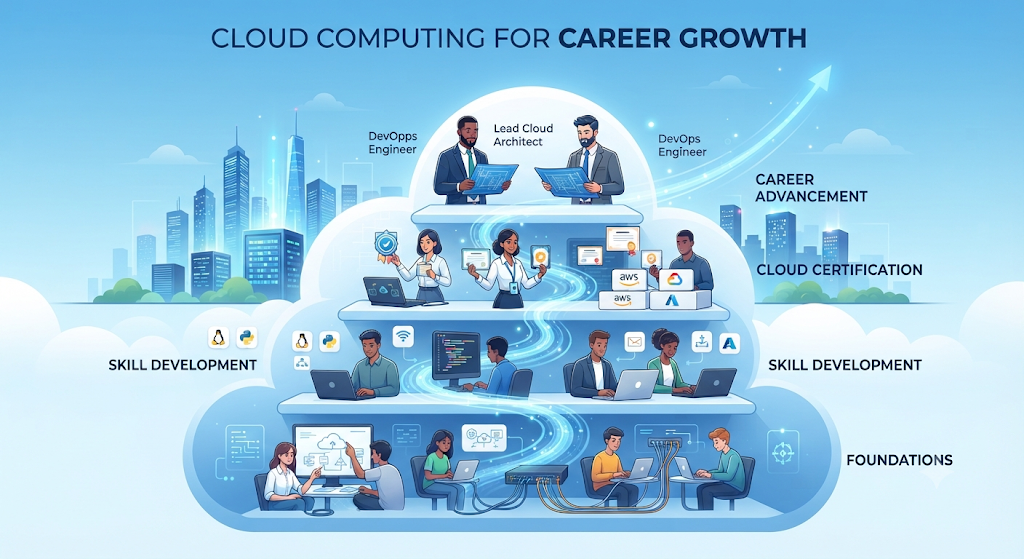
Table 2: Cloud Skill Levels and Career Progression
| Career Stage | Primary Focus Skills | Typical Responsibilities |
| Beginner | Linux, Networking, Fundamentals | Lab practice, basic deployment, ticketing. |
| Intermediate | Terraform, CI/CD, Containerization | Automation, environment setup, monitoring. |
| Advanced | Architecture Design, Security, Cost Optimization | System design, disaster recovery, leadership. |
Tools, Methods, and Frameworks Readers Can Use
- Free Tier Accounts: Use official sandbox accounts provided by major cloud platforms to practice without financial risk.
- Version Control Systems: Utilize GitHub to track code, document projects, and build a public technical portfolio.
- Infrastructure as Code Tools: Use Terraform to write repeatable, automated server provisioning scripts.
- Budget Management Dashboards: Configure spending alerts and automated resource shutdown scripts to prevent unexpected cloud bills.
- Structured Learning Roadmaps: Follow verified community-driven learning paths to maintain a steady, organized skill-building routine.
Expert Tips to Make Better Decisions
- Start with solid fundamentals before purchasing advanced certification courses.
- Always set up billing alerts on your personal cloud sandbox accounts.
- Document every project you build with clear architecture diagrams and README files.
- Practice troubleshooting broken configurations instead of only following perfect tutorials.
- Network with industry professionals through tech meetups and online developer communities.
- Keep your resume focused on measurable achievements and automated project outcomes.
- Learn version control early to manage your infrastructure scripts professionally.
- Read official cloud documentation rather than relying solely on third-party summaries.
- Focus on understanding security best practices from your very first lab session.
- Balance your daily work schedule with consistent, uninterrupted study blocks.
- Review and update your technical skills every six months to stay relevant.
- Take professional advice or mentorship when planning your career transition steps.
- Avoid comparing your starting journey with someone else’s mid-career success.
- Maintain a dedicated error journal to document solutions to bugs you encounter.
- Prioritize depth of understanding over the sheer speed of course completion.
Case Studies: How Better Understanding Changes Decisions
Case Study 1: The Focused Switch
- Profile: IT Helpdesk Technician with three years of general support experience.
- Situation: Feeling stuck in repetitive hardware troubleshooting roles with limited growth.
- Problem: Attempting to study machine learning and big data analytics without basic cloud knowledge.
- Wrong Approach: Buying expensive, advanced data science courses and getting overwhelmed quickly.
- Better Approach: Pivoting to a structured cloud fundamentals track, earning an associate-level certification, and automating backup tasks at work.
- Result/Learning: Successfully transitioned into an internal Cloud Operations role within nine months.
- Key Takeaway: Foundational mastery beats chasing complex buzzwords.
Case Study 2: The Portfolio Builder
- Profile: Recent computer science graduate seeking a junior engineering role.
- Situation: Sending hundreds of resumes without receiving interview callbacks.
- Problem: Having a resume filled with generic coursework and no proof of practical application.
- Wrong Approach: Applying blindly to hundreds of jobs daily without updating technical credentials.
- Better Approach: Building three documented serverless projects on GitHub and adding clear architecture explanations.
- Result/Learning: Secured multiple interviews and accepted a junior cloud developer position.
- Key Takeaway: Demonstrated proof of work stands out in competitive job markets.
Case Study 3: The Cost-Conscious Learner
- Profile: Self-taught developer practicing advanced container deployments.
- Situation: Leaving test databases and clusters running overnight.
- Problem: Receiving a surprisingly high cloud bill that caused unnecessary personal stress.
- Wrong Approach: Ignoring billing dashboards and assuming free-tier limits covered everything.
- Better Approach: Implementing automated shutdown scripts and strict budget notification alerts.
- Result/Learning: Maintained complete control over learning expenses while mastering advanced deployments.
- Key Takeaway: Operational discipline includes managing resource costs from day one.
Risk Awareness: What Readers Must Check First
- Financial Risk: Leaving cloud resources active can result in unexpected bills; always set up budget alerts.
- Misinformation Risk: Following outdated tutorials can teach insecure practices; verify against official documentation.
- Platform Risk: Over-relying on a single proprietary tool can limit career flexibility; focus on core transferable concepts.
- Security Risk: Misconfigured storage or permissions can expose sensitive data; practice secure coding habits early.
- Burnout Risk: Attempting to learn too many technologies simultaneously leads to exhaustion; pace your learning sustainably.
- Actionable Mitigation: Verify tutorials against official guides, maintain strict budget controls, and prioritize fundamental security principles in every lab.
Checklist Before Taking Action
- Have you mastered basic Linux and networking fundamentals?
- Have you selected one primary cloud platform to focus on initially?
- Have you set up billing alerts and budget controls on your practice account?
- Are you pairing your study sessions with hands-on lab exercises?
- Have you planned to document your projects publicly on GitHub?
- Are you prioritizing core security and identity management principles?
- Have you avoided relying solely on certificates without practical application?
- Have you scheduled consistent, manageable weekly study blocks?
- Have you verified your learning resources against official documentation?
- Are you prepared to learn troubleshooting methods patiently?
Use this checklist before committing time and money to any cloud certification program or career transition plan to ensure a disciplined and secure approach.
Strategic Insights for Better Decision-Making
- Transferable Core Skills: Focus on networking, security, and automation principles that apply across AWS, Azure, and Google Cloud alike.
- Continuous Skill Iteration: Treat cloud learning as an ongoing habit rather than a one-time destination.
- Practical Documentation: Cultivate the habit of writing clear README files and architecture diagrams for every project.
- Community Engagement: Learn from real-world post-mortems and shared engineering blogs to understand production-level challenges.
- Pragmatic Scaling: Start small with simple static deployments before scaling into microservices and complex serverless architectures.
Key Terms Explained for Beginners
- Cloud Computing: Delivering computing services over the internet without owning physical hardware.
- Infrastructure as Code: Managing and provisioning server setups using machine-readable configuration files.
- Virtual Machine: A software-based emulation of a physical computer running in the cloud.
- Containerization: Packaging an application with its dependencies into a single lightweight container for consistent deployment.
- Serverless Computing: A cloud execution model where the provider manages server allocation automatically.
- Availability Zone: Isolated data centers within a designated cloud region designed for high fault tolerance.
- Identity and Access Management: Frameworks and policies used to manage secure user authentication and resource permissions.
- Scalability: The capability of a system to handle growing amounts of work by adding resources.
- CI/CD: Continuous Integration and Continuous Deployment practices that automate software testing and release pipelines.
- Public Cloud: Third-party cloud services delivered over the public internet and shared across multiple organizations.
Who Should Read This Blog
- Beginners: Individuals taking their very first steps into the tech and cloud computing industry.
- Students: Computer science graduates looking for a structured, practical career entry roadmap.
- Salaried Employees: IT support or traditional system administrators wanting to transition into cloud roles.
- Small Business Owners: Entrepreneurs seeking to understand how cloud infrastructure can optimize operations.
- Career Switchers: Professionals from non-tech backgrounds looking for reliable, high-growth career paths.
- Finance Learners & Planners: Readers interested in understanding the long-term economic value of high-demand technical skills.
Frequently Asked Questions
- What is cloud computing for career growth?
Cloud computing for career growth involves acquiring specialized technical skills in cloud platforms to unlock higher-paying roles, job security, and remote work opportunities in the technology sector. - Why is cloud computing important for beginners?
It is important because almost every modern enterprise relies on cloud infrastructure, making cloud proficiency one of the most sought-after and future-proof skill sets in the global job market. - How can beginners start safely?
Beginners can start safely by mastering basic networking and Linux fundamentals, opening a free-tier sandbox account with budget alerts, and following a structured learning path. - What is the biggest mistake to avoid?
The biggest mistake is collecting numerous certificates without building practical hands-on projects or failing to set up cloud billing alerts, which can lead to unexpected expenses. - Is this useful for salaried people?
Yes, salaried IT professionals and system administrators use cloud skills to modernize internal company workflows, earn promotions, and secure better-paying employment opportunities. - What risks should I know?
Key risks include unexpected cloud bills from unmonitored resources, insecure permission configurations, and burnout from trying to learn too many complex technologies at once. - How can I compare options?
Compare cloud platforms based on regional job market demand, available learning resources, personal career goals, and the quality of official certification roadmaps. - Should I take professional advice?
Taking guidance from experienced cloud mentors or career counselors can help you avoid common learning traps and stay aligned with current industry standards. - How often should I review my plan?
You should review your career development plan and technical skill set every six months to stay aligned with rapid updates in cloud technology. - What should I avoid before taking action?
Avoid jumping into advanced certifications without knowing basics, purchasing expensive unverified bootcamps, and leaving personal sandbox environments unmonitored. - How does this help with financial planning?
Building high-demand cloud computing skills enhances your earning potential, providing long-term career stability and professional financial growth. - What is the best next step after reading this blog?
The best next step is to review the checklist, brush up on basic networking fundamentals, and set up your first free-tier cloud learning account today.
Conclusion
Mastering cloud computing is one of the most reliable ways to secure professional growth, increase earning potential, and future-proof your career in a rapidly evolving technological landscape. Throughout this guide, we explored essential definitions, step-by-step career roadmaps, key influencing factors, common beginner pitfalls, and practical frameworks for sustainable success. Financial and career awareness matters because thoughtful, structured skill-building always outperforms rushed, impulsive decisions. Beginners should remember to start with solid networking and Linux fundamentals, maintain strict budget controls on sandbox accounts, and build a public portfolio of real-world projects. Long-term career discipline requires consistent study, patience during troubleshooting, and a commitment to secure coding practices. Take your next steps calmly by reviewing the checklists provided, setting up a free-tier learning account, and dedicating consistent weekly time to hands-on practice. Embrace continuous learning with confidence, knowing that steady progress builds genuine, lasting professional expertise.

